The Complete Guide to Understanding and Choosing Designer Companions
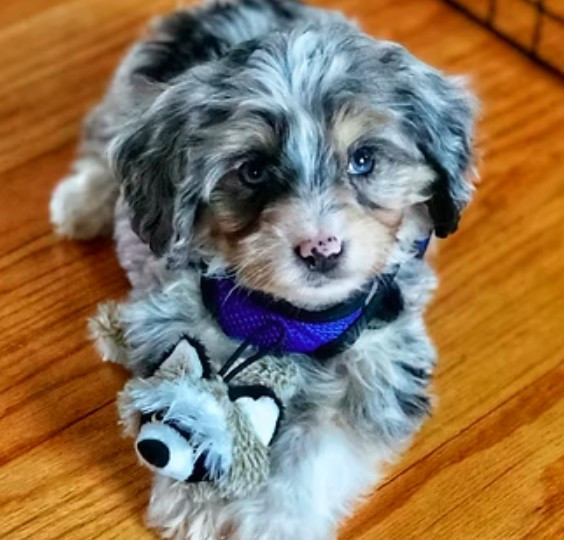
The landscape of pet ownership has shifted significantly over the last few decades, moving toward more specialized and intentional breeding practices. Many families now look for specific traits—such as low-shedding coats or a particular temperament—that traditional breeds might not always guarantee. This demand has led to the popularity of designer dogs, which are essentially the intentional offspring of two different purebred parents. Unlike accidental mixed breeds, these dogs are the result of careful selection aimed at combining the best physical and behavioral attributes of both lineages. As the interest in these unique pairings grows, it becomes essential for potential owners to understand the nuances of their care and heritage.
Defining the Hybrid Standard
To understand the appeal of these animals, one must look at the consistency provided by intentional crossbreeding. While a purebred dog follows a strict genetic blueprint, a first-generation cross introduces "hybrid vigor," a biological phenomenon where the offspring may display improved health and vitality compared to their purebred parents. This process involves a high level of scrutiny regarding the health testing of the sire and dam. By documenting these lineages, organizations like designerkennelclub.com help maintain a level of accountability and history for dogs that do not fit into the traditional kennel club categories but deserve equal recognition for their quality and companionship.
Popularity and Common Pairings
Certain combinations have become household names due to their predictable sizes and friendly natures. The Poodle is perhaps the most common contributor to these pairings because of its hypoallergenic wool and high intelligence. When crossed with a Golden Retriever or a Labrador, the result is often a social, trainable animal that is well-suited for suburban life and therapy work. Other popular small-scale crosses include those involving the Cavalier King Charles Spaniel or the Bichon Frise, which prioritize a compact size and a gentle disposition. These specific combinations are crafted to fit the diverse lifestyles of modern owners, from high-energy hikers to those living in urban apartments.
Health and Longevity Considerations
One of the primary arguments for choosing a hybrid over a purebred is the potential reduction in breed-specific genetic disorders. Many purebred lines have become susceptible to certain ailments due to a limited gene pool. By introducing a different genetic line, breeders can often mask recessive traits that lead to disease. However, this does not mean that hybrid dogs are immune to health issues. Responsible breeding still requires rigorous screening for hip dysplasia, eye conditions, and heart defects common to the parent breeds. A well-cared-for hybrid can often enjoy a lifespan of 12 to 15 years, provided they receive proper nutrition, regular exercise, and preventative veterinary care.
The Importance of Temperament and Training
Because hybrid dogs inherit traits from two different gene pools, their personalities can sometimes be a blend of contrasting instincts. For example, a cross between a herding dog and a toy breed may result in a pet that is both highly energetic and deeply affectionate. Early socialization is critical to ensure that these dogs grow into well-adjusted adults. Owners should focus on positive reinforcement training methods to bridge the gap between the different working instincts of the parent breeds. Understanding the history of the parentage helps owners predict how a puppy might react to strangers, other pets, and children.
Ethical Selection and Ownership
As the market for unique pets expands, the responsibility of the owner to find an ethical source increases. It is vital to look for breeders who prioritize the welfare of the mother and the socialization of the puppies over high-volume production. An ethical breeder will be transparent about the challenges of the cross and will ask the potential owner questions to ensure a good match. Choosing a designer breed is a long-term commitment that requires a deep understanding of the specific needs of the cross, from grooming requirements to daily mental stimulation. By doing thorough research, owners can ensure they are bringing a healthy, happy member into their family.


Comments
Post a Comment