The Comprehensive Guide to Choosing and Raising Modern Hybrid Companions
The world of canine companionship has evolved significantly over the last few decades, moving beyond traditional purebred standards to embrace more specialized pairings. People are increasingly drawn to designer dogs because they often combine the best physical and temperamental traits of two distinct breeds. This intentional crossbreeding aims to create a pet that fits a specific lifestyle, whether that involves a hypoallergenic coat for city dwellers or a more relaxed temperament for families with young children. By focusing on these specific combinations, breeders can cater to unique needs that standard breeds might not always meet.
The History of Purposeful Crossbreeding
While mixed-breed dogs have existed as long as dogs themselves, the deliberate creation of hybrids started gaining momentum in the late 20th century. The goal was rarely just about aesthetics; it was about functional improvement. For example, the early goal of crossing a Poodle with a Labrador was to create a guide dog suitable for individuals with dander allergies. Since then, the practice has expanded to include dozens of different combinations, each intended to solve a particular problem or enhance a certain characteristic. This movement has shifted the perception of "mutts" into highly sought-after, specialized companions.
Health and the Concept of Hybrid Vigor
One of the most frequently cited benefits of these specific pairings is "hybrid vigor," a biological phenomenon where the offspring of two different breeds may exhibit better health than their purebred parents. Purebred dogs often face genetic bottlenecks that can lead to hereditary health issues. By introducing a wider gene pool, many believe that these dogs are less likely to inherit the recessive disorders common in their lineage. However, it is essential to remember that health is never guaranteed; responsible breeding practices and genetic testing of the parents remain the most reliable ways to ensure a long, healthy life for any pet.
Personality and Temperamental Consistency
When you bring a hybrid dog into your home, you are often looking for a specific personality profile. While purebreds have very predictable traits, a crossbreed offers a blend. A dog with one high-energy parent and one calm parent might land somewhere in the middle, making them more adaptable to various living situations. Owners often report that these dogs possess a unique charm, blending the intelligence of one breed with the loyalty or playfulness of another. Understanding the history and typical behavior of both parent breeds is the best way to predict how a puppy will behave as it matures into an adult.
Grooming and Maintenance Requirements
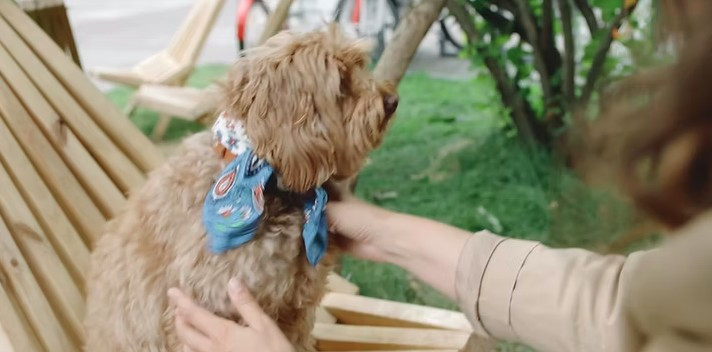
The physical appearance of these dogs can vary even within the same litter, particularly when it comes to their coats. Many people seek out hybrids specifically for low-shedding qualities. However, "low-shedding" does not mean "low-maintenance." In fact, many curly or wavy-coated dogs require daily brushing and professional grooming every few weeks to prevent painful matting. Potential owners should be prepared for the time and financial commitment required to keep their pet’s coat in top condition. Beyond the fur, regular ear cleaning and dental care are vital components of a comprehensive health routine.
Finding a Responsible Source for Your Pet
Choosing where to get your dog is the most important decision in the process. A reputable source will prioritize the welfare of the animals over profit, providing clean living conditions and transparency regarding the puppy’s lineage. They should be willing to show you the mother and provide documentation of veterinary checkups. This is where designer kennel club resources can be invaluable, helping enthusiasts find standards and information to guide their search. A good breeder will also ask you questions to ensure that their puppy is going to a home that can meet its specific exercise and emotional needs.
Training and Socialization for Success
No matter the lineage, every dog requires a solid foundation of training and socialization to become a well-adjusted member of society. Starting early with positive reinforcement techniques helps build a strong bond between the owner and the animal. Because many hybrids are highly intelligent, they thrive on mental stimulation and "jobs" to do. Enrolling in a puppy glass or working with a professional trainer can prevent common behavioral issues like separation anxiety or excessive barking. A designer breed is a long-term commitment that rewards the owner with unmatched companionship when given the right structure and love.


Comments
Post a Comment