The Modern Appeal of Designer Dog Breeds
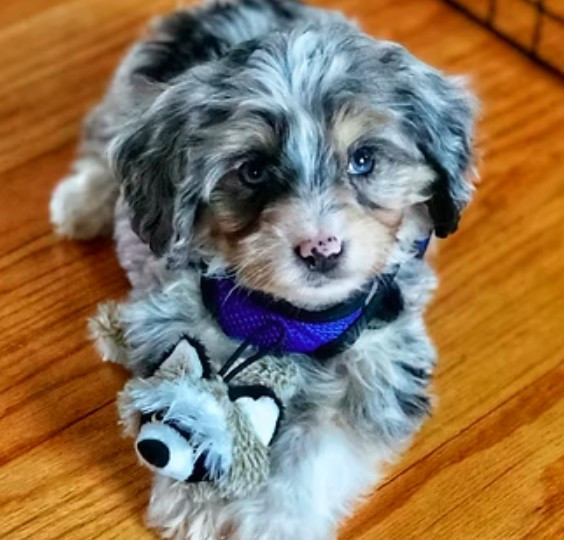
The rise of designer dog breeds has changed how people choose their pets. These dogs are the intentional offspring of two different purebred parents. This practice aims to combine the best physical and behavioral traits of both established lineages into one unique animal.
The Logic Behind Intentional Crossbreeding
Standardization in purebreds offers predictability, but it can also lead to specific health issues. By crossing two distinct gene pools, many hope to achieve "hybrid vigor." This concept suggests that a more diverse genetic makeup can potentially lead to a healthier, more resilient companion over time.
Popularity of Hypoallergenic Coat Varieties
Many families seek out these specific crosses because of coat textures. Poodle mixes, often called Doodles, are incredibly popular because they frequently inherit a low-shedding coat. This makes them a primary choice for households where allergies are a significant concern for family members.
Temperament and Social Behavior
Personality is a major factor in the selection of these dogs. Many owners look for the intelligence of a herding breed mixed with the calm nature of a lap dog. While every puppy is an individual, these purposeful crosses often result in highly trainable and affectionate pets.
Aesthetics and Physical Diversity
The visual variety among these dogs is vast. You can find everything from tiny toy mixes to large, sturdy working hybrids. This diversity allows potential owners to find a dog that fits their specific living situation, whether it is a small apartment or a large farm.
The Role of Designer Kennel Club
Organizations like Designer Kennel Club provide a dedicated space for enthusiasts of these unique animals. Having a central hub helps owners share experiences and track the lineage of their pets. It serves as a bridge between traditional canine history and the modern evolution of breeding.
Ethical Standards in Modern Breeding
Responsible breeding requires more than just putting two dogs together. It involves extensive health screening of the parent dogs to ensure no hereditary diseases are passed down. Quality over quantity is the hallmark of a caretaker who truly cares about the future of the animal.
Space and Exercise Requirements
Every dog needs a specific level of activity to remain healthy and happy. Some hybrids are high-energy and require long walks and mental stimulation. Others are perfectly content with shorter strolls and plenty of time spent lounging on the sofa with their human companions.
Training and Early Socialization
Starting training early is essential for any young dog. Because some hybrids can be quite headstrong, consistent positive reinforcement is the best approach. Socializing them with other animals and people during their first few months helps create a well-adjusted and confident adult dog.
Grooming and Maintenance Needs
Coat maintenance can vary significantly depending on which parent the dog takes after. Some require daily brushing to prevent mats, while others need professional grooming every few weeks. Prospective owners should be prepared for the time and financial commitment required for proper coat care.
Life Expectancy and Long Term Care
Most medium-sized hybrids live between twelve and fifteen years. Providing high-quality nutrition and regular veterinary checkups is vital for a long life. Owners should stay informed about the specific needs of their dog's mix to provide the best possible environment throughout their life.
Finding Reputable Designer Dog Breeders
The most important step in your journey is identifying responsible designer dog breeders. These professionals prioritize the welfare of their litters and are transparent about health testing. Always ask questions about the parents' history and the environment where the puppies are raised to ensure a healthy start.


Comments
Post a Comment